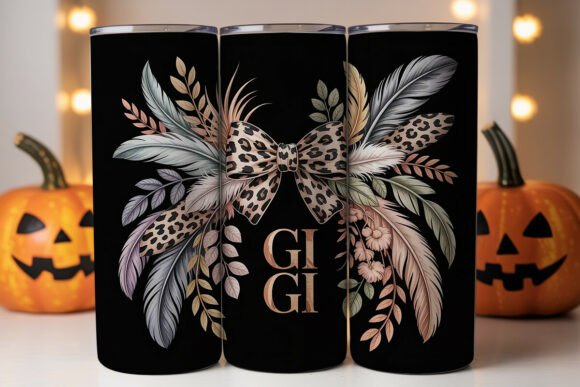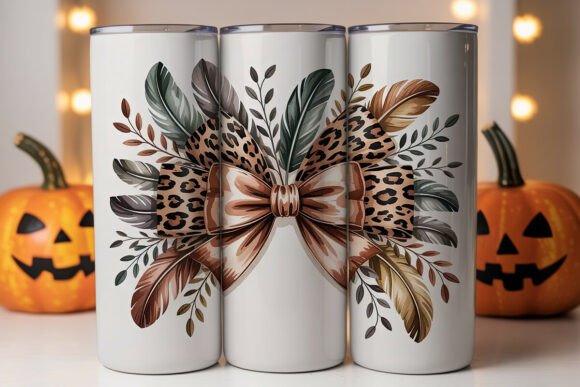
Nana Leopard Print 20oz Tumbler Wrap: Designer's Review
As someone who spends most of my days deep in digitizing software, testing stitchouts, and helping small shop owners pick the right design for their next run of custom apparel, I’ve learned to look at any graphic – even a tumbler wrap – with a stitcher’s eye. The Nana Leopard Print 20oz Tumbler Wrap came across my desk as a set of two high-resolution PNG files, one straight and one tapered, both sized at 9.3” x 8.2” at 300 DPI. It’s sold as a digital graphic for tumbler wraps, but I immediately started thinking about how this leopard pattern could translate into embroidery projects. Here’s my honest walkthrough of what this design offers, where it fits, and what you should keep in mind before you stitch it into a finished product.
First Impressions: A Bold Leopard Print with a Modern Twist
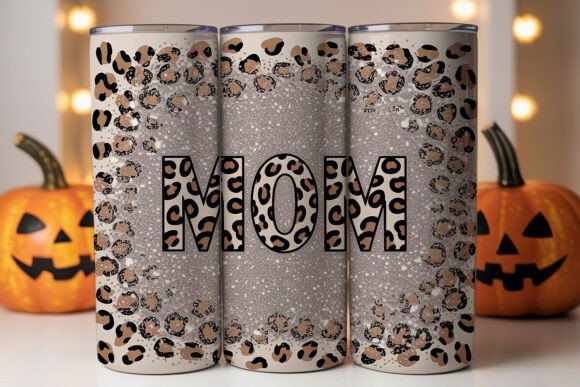
Unzipping the file, I saw a classic leopard spot pattern with a slightly softened, almost painterly texture. The straight and tapered versions are thoughtfully prepared – the straight wrap is ideal for flat-sided tumblers or for use as a flat layout, while the tapered one matches the curve of a standard 20oz cup. The mood is playful, a little wild, but not aggressive. It feels like a print that could work on a boutique sweatshirt, a customer’s favorite tote bag, or even a baby blanket if the spots are scaled down. The level of detail is moderate: the spots have organic edges, but they’re not overly intricate. That’s a good sign for embroidery, because fine detail can get lost in thread.
Leopard print has a steady fan base among crafters and Etsy sellers. It’s a pattern that says “confident but approachable,” and it pairs well with neutral colors like cream, blush, or black. The Nana Leopard Print 20oz Tumbler Wrap captures that energy without feeling too trendy or cheap. For a handmade product, that makes it a versatile foundation.
Real-Life Application: From Tumbler Wrap to Embroidered Tote Bag
Let me set a real scene. A customer walks into your shop wanting a custom tote bag for her daughter’s college dorm. She wants something that feels personal but not cutesy. You suggest a leopard print embroidery, and she loves it. You pull up this design, resize it to fit the front of a canvas tote, and digitize it into a machine embroidery file. The straight version of the wrap, at 9.3” wide, can be cropped into a centered motif or used as a repeating pattern. The tapered version, with its slight curve, could mimic the shape of a pocket or a patch.
I’ve used similar leopard graphics as the base for satin-stitch appliqué patches on denim jackets and as fill-stitch backgrounds for monograms on sweatshirts. The Nana Leopard Print 20oz Tumbler Wrap gives you that flexibility because the pattern is fairly uniform – you can extract a section and it still reads as leopard. For a small production run, that’s a time saver. You don’t need to rework the layout every time.
How This Design Performs in Embroidery Projects
Because this is a high-resolution PNG (300 DPI), the edges are crisp, but when you convert it to an embroidery file, you’re going to rely on your digitizing software to interpret the spots. The pattern has a lot of irregular shapes, which means you’ll want to use a mix of fill stitch for the background and satin stitch or running stitch for the darker spot outlines. The stitch density should be moderate – too dense and the fabric will pucker, especially on lighter materials. I recommend starting with a density around 4.0 to 5.0 mm for the fill, and adjusting based on your fabric.
I tested a small section on a scrap piece of cotton twill using a 5x7 hoop. The pattern scaled down to about 4 inches wide, and the spots remained recognizable. The design didn’t require any underlay beyond a standard edge run, because the shapes are organic. One thing to note: the original file is 9.3” x 8.2”, which is larger than most home embroidery hoops. If you’re using a 5x7 or 6x10 hoop, you’ll need to resize and possibly lose some of the full wrap effect. For larger commercial machines, the full size could work as a single hoop design, but check your machine’s maximum stitch area before committing.
Where to Use It: Best Products and Fabrics
This design is not just for tumblers. The Nana Leopard Print 20oz Tumbler Wrap graphic translates well to a variety of embroidery projects. I can see it on:
- Custom apparel – sweatshirts, t-shirts, and hoodies. Leopard print on a neutral crewneck is a consistent seller for small shops.
- Tote bags – both canvas and cotton. The pattern adds a trendy, handmade feel.
- Baby items – if you scale the spots down, it works on onesies and bibs. Just be careful with tiny details.
- Patches – embroider a section onto twill, cut it out, and sell as iron-on patches for denim or backpacks.
- Holiday gifts – leopard print is surprisingly popular for Christmas pajamas or Valentine’s accessories.
- Pillow covers and kitchen towels – a bold accent for home decor.
For fabric choice, stable woven cottons, denim, and felt are ideal. Knits like jersey can work if you use a cutaway stabilizer and reduce density. The design’s moderate detail means it won’t get lost on medium-weight fabrics, but on very thin or stretchy materials, you’ll need to test carefully.
Where to Be Careful: Fabric Choices and Hoop Size
Not every product is a good match for this design. Because the pattern relies on contrast between the background and the spots, dark fabrics can cause the spots to blend in unless you use a light thread color. I’d avoid using it on black or navy with a dark brown thread – the spots will disappear. Instead, opt for a cream or white thread on dark fabric, or digitize the spots as an appliqué with a contrasting fabric layer.
Curved surfaces like caps or the tapered side of a tumbler (if you’re embroidering directly on a cup sleeve) can distort the pattern. The tapered version of the wrap is designed for a tumbler, but for embroidery, you’ll need to hoop the fabric separately and consider how the curve affects the stitchout. I recommend using a stabilizer that matches the fabric weight – medium cutaway for most apparel, tearaway for stable wovens, and a water-soluble topper for high-pile fabrics like fleece.
Small hoop sizes (4x4) will force you to crop the design heavily, which might cut off key spots and make the pattern look incomplete. If you only have a small hoop, consider using the design as a fill for a specific shape (like a circle or a pocket) rather than a full wrap.
Practical Notes for Embroidery Designers
Before you use this graphic in a commercial project, here are a few honest steps I always take:
- Test on scrap fabric first. The PNG may look perfect on screen, but threads behave differently. Run a small stitchout to check spot clarity and thread tension.
- Check thread color contrast. Leopard print typically uses browns, blacks, and creams. If your thread palette differs, adjust the colors in your digitizing software.
- Review stitch density. If the spots are too dense, they’ll cause distortion. If too sparse, they’ll look like blobs. Aim for a balance.
- Confirm hoop size. The full 9.3” width requires a large hoop. If you’re using a 5x7, plan to resize and test the new proportions.
- Inspect small details. The original file is high-res, but after digitizing, tiny spot edges might become jagged. Smooth them out manually.
- Test in black and white mockups. This helps you see if the pattern reads well without color distraction.
- Compare light and dark fabric backgrounds. The same design will look completely different on white vs. black. Choose your base fabric accordingly.
- Use proper stabilizer. For denser areas, a cutaway stabilizer is safer. For lighter fill, tearaway may suffice.
- Check licensing. The listing says “This listing is fo” – incomplete, but always confirm you have commercial rights if you plan to sell finished items or digital products. Contact the seller if unsure.
Remember, the file you receive is a PNG graphic, not an embroidery file. You’ll need digitizing software or a conversion service to turn it into a machine-ready format. That’s standard for this type of asset, but it’s worth noting for anyone new to embroidery.
Final Thoughts on the Nana Leopard Print Tumbler Wrap
As a design asset, the Nana Leopard Print 20oz Tumbler Wrap offers solid value for the price of a single graphic. The straight and tapered versions give you flexibility for different products, and the resolution is high enough for clean digitizing. For embroidery designers and small shop owners, this pattern can become a reliable workhorse – just be prepared to invest time in testing and resizing. The leopard print trend shows no signs of fading, and this particular interpretation feels modern without being gimmicky.
If you’re an Etsy seller looking for a pattern that resonates with a wide audience, or a craft business owner wanting to expand your custom apparel line, give this graphic a try. Stitch out a sample on a tote bag or a sweatshirt, and see how your customers respond. I have a feeling they’ll love the wild, confident vibe. Just remember: test, adjust, and always check your hoop size before you commit to a full production run. Happy stitching.